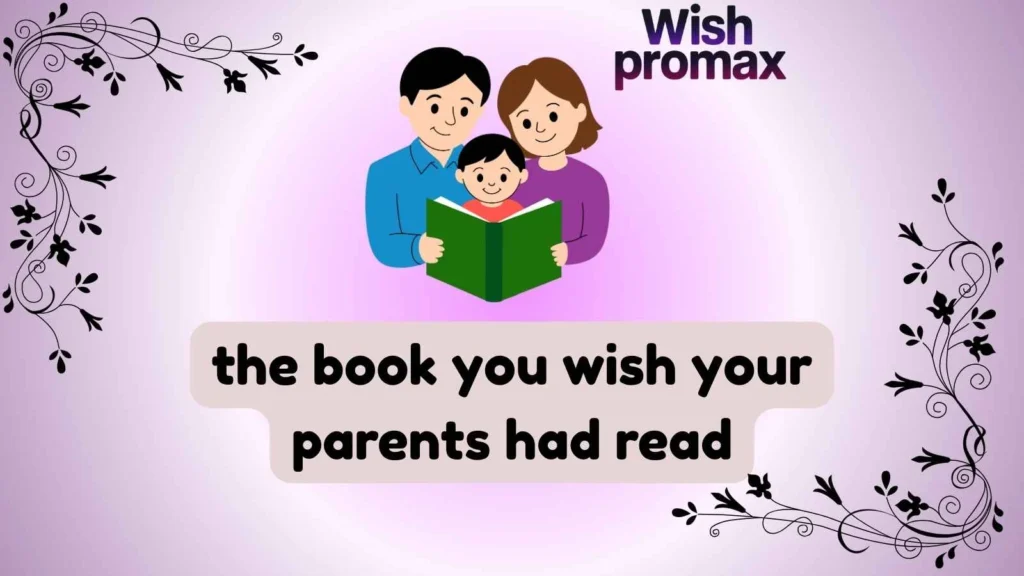
Parenting is a journey filled with lessons, joys, and occasional regrets. Many of us grow up wishing someone had guided our parents toward better ways of understanding us.
Imagine if the insights of today’s psychology, emotional intelligence, and communication strategies had been in their hands.
These lessons could have shaped a home where empathy, encouragement, and curiosity thrived. Every child deserves to feel seen, heard, and valued, and sometimes a single book can illuminate paths that were once overlooked.
“The Book You Wish Your Parents Had Read” isn’t just a story—it’s a roadmap to understanding, bridging generational gaps, and nurturing healthier relationships.
By exploring its wisdom, we can learn how to break cycles, embrace compassion, and raise the next generation with love and clarity.
Benefits of Reading Good Messages 🌟
- Enhances emotional intelligence and empathy.
- Encourages positive thinking and mental well-being.
- Inspires better communication within families.
- Provides practical parenting tips in digestible form.
- Strengthens parent-child relationships.
- Motivates personal growth and self-reflection.
- Promotes resilience during challenges.
- Teaches valuable life lessons naturally.
- Fosters understanding of generational perspectives.
- Reduces misunderstandings and conflicts.
Best Picks ✨
- “Your feelings matter; I hear you.” 💬
- “Mistakes are lessons in disguise.” 🌱
- “I’m proud of your efforts, not just results.” 🏆
- “Kindness always matters more than being right.” ❤️
- “You can always ask for help; you’re never alone.” 🤝
- “Every day is a new chance to learn.” 📖
- “It’s okay to be yourself, fully.” 🌟
- “Your dreams are valid and worth chasing.” ✨
- “Listening is more powerful than lecturing.” 👂
- “Love is unconditional; it doesn’t need perfection.” 💞
Understanding Emotional Intelligence in Children 🧠💡
- “Feelings are signals, not problems.” 🌈
- “Pause, breathe, and name your emotions.” 🌬️
- “Curiosity is the start of understanding.” 🔍
- “Empathy grows when you walk in others’ shoes.” 👟
- “Respect begins with listening.” 👂
- “Every emotion deserves acknowledgment.” 💖
- “Patience nurtures wisdom.” ⏳
- “Failure teaches resilience.” 💪
- “Celebrate small wins daily.” 🎉
- “Questions lead to deeper knowledge.” ❓
- “Your voice matters in decisions.” 🗣️
- “Understanding comes before judgment.” ⚖️
- “Kindness creates safe spaces.” 🕊️
- “Honesty strengthens trust.” 🔑
- “Sharing feelings builds connection.” 💌
- “Emotions are bridges, not walls.” 🌉
- “Listening is the first form of love.” 💕
- “Encourage curiosity, not fear.” 🐛
Positive Affirmations for Kids 🌟📝
- “I am capable of amazing things.” 💫
- “I am brave and resilient.” 🦁
- “My thoughts and feelings are valid.” 🧩
- “I can try again without fear.” 🔄
- “I am kind to myself and others.” 🤗
- “Mistakes help me grow smarter.” 🧠
- “I am unique and valuable.” 🌟
- “I choose happiness daily.” 🌞
- “My voice is important.” 🗣️
- “I can learn something new today.” 📘
- “I make thoughtful choices.” 📝
- “I spread love wherever I go.” ❤️
- “I am calm and peaceful.” 🌿
- “I am thankful for small joys.” 🍃
- “I believe in my dreams.” ✨
- “I am a good friend.” 👫
- “I can solve problems creatively.” 🎨
- “I embrace challenges with courage.” 🏔️
Building Strong Parent-Child Bonds 🤝💖
- “Spending time together builds trust.” ⏰
- “Ask questions and listen genuinely.” ❓
- “Share stories to create memories.” 📚
- “Playfulness fosters connection.” 🎲
- “Show appreciation daily.” 🌼
- “Encourage teamwork at home.” 🏡
- “Support each other’s passions.” 🎨
- “Celebrate individuality.” 🌈
- “Family traditions create belonging.” 🎉
- “Resolve conflicts with love.” 💌
- “Offer choices, not commands.” ⚖️
- “Be consistent and fair.” 🔄
- “Model healthy habits.” 🏃♂️
- “Express gratitude openly.” 🙏
- “Teach respect through example.” 🏅
- “Laugh together often.” 😂
- “Listen more than you speak.” 👂
- “Be patient with mistakes.” ⏳
Fun Ways to Teach Life Lessons 🌟🎈
- “Turn chores into games.” 🏅
- “Use stories to explain morals.” 📖
- “Celebrate effort, not perfection.” 🏆
- “Teach problem-solving through play.” 🧩
- “Encourage creative expression.” 🎨
- “Ask reflective questions.” ❓
- “Role-play real-life scenarios.” 🎭
- “Reward curiosity, not only results.” 🏅
- “Make gratitude a daily habit.” 🙏
- “Practice mindfulness together.” 🧘
- “Use humor to lighten lessons.” 😂
- “Explore nature to learn patience.” 🌳
- “Teach empathy with volunteering.” 💕
- “Encourage journaling emotions.” 📝
- “Celebrate small achievements.” 🌟
- “Teach forgiveness actively.” 🕊️
- “Share inspiring stories daily.” ✨
- “Lead by example, not just words.” 👣
Encouraging Self-Expression 🎤🎨
- “Speak your truth respectfully.” 🗣️
- “Draw, write, or sing your thoughts.” 🎨
- “Your opinions matter here.” 💬
- “Express feelings without fear.” ❤️
- “Share dreams with confidence.” ✨
- “Use body language intentionally.” 👐
- “Celebrate personal milestones.” 🏆
- “Listen to your inner voice.” 🧘
- “Respect others’ expression.” 🤝
- “Reflect daily on experiences.” 📖
- “Embrace creativity fully.” 🎭
- “Ask for feedback kindly.” ❓
- “Celebrate uniqueness, not conformity.” 🌈
- “Journal to understand emotions.” 📝
- “Experiment with new ideas.” 🔬
- “Express gratitude openly.” 🙏
- “Sing or dance freely.” 🎶
- “Encourage self-compassion.” 💖
Mindful Parenting Tips 🌿🕊️
- “Practice patience daily.” ⏳
- “Listen before reacting.” 👂
- “Create routines for stability.” 📅
- “Encourage open dialogue.” 💬
- “Celebrate learning from mistakes.” 🌱
- “Model healthy coping strategies.” 🧘
- “Avoid comparison with others.” ❌
- “Offer choices instead of orders.” ⚖️
- “Spend undistracted quality time.” ⏰
- “Teach problem-solving skills.” 🧩
- “Acknowledge feelings regularly.” ❤️
- “Encourage self-care habits.” 🌿
- “Share personal experiences.” 📖
- “Express gratitude and appreciation.” 🙏
- “Celebrate individuality.” 🌈
- “Teach forgiveness actively.” 🕊️
- “Balance discipline with empathy.” ⚖️
- “Promote curiosity and exploration.” 🔍
Building Resilience in Kids 💪🌟
- “Challenges are opportunities.” 🏔️
- “Mistakes teach strength.” 🧠
- “Encourage adaptability.” 🌱
- “Celebrate perseverance.” 🏆
- “Teach coping strategies.” 🧘
- “Model resilience daily.” 👣
- “Encourage problem-solving.” 🧩
- “Offer emotional support.” 💖
- “Promote a growth mindset.” 🌿
- “Celebrate effort over outcome.” 🎉
- “Teach flexibility in thinking.” 🔄
- “Normalize setbacks.” ⚡
- “Reinforce self-confidence.” 🌟
- “Encourage trying new things.” ✨
- “Teach patience under stress.” ⏳
- “Foster independence gradually.” 🏡
- “Guide without controlling.” 🤝
- “Praise resilience publicly.” 🎖️
Inspiring Creativity 🎨✨
- “Encourage out-of-the-box thinking.” 💡
- “Provide materials for experimentation.” ✂️
- “Celebrate unique creations.” 🌈
- “Ask open-ended questions.” ❓
- “Promote storytelling.” 📖
- “Allow mistakes in art.” 🎨
- “Use nature for inspiration.” 🌳
- “Share your own creativity.” 👩🎨
- “Encourage collaborative projects.” 🤝
- “Support passion projects.” ✨
- “Offer challenges with freedom.” 🏆
- “Teach creative problem-solving.” 🧩
- “Celebrate imagination daily.” 🌟
- “Encourage music or dance.” 🎶
- “Limit screen distractions.” 📵
- “Promote curiosity-driven exploration.” 🔍
- “Allow reflection on work.” 📝
- “Praise creativity, not perfection.” 🌿
Emotional Well-being Messages 🌈💖
- “Your feelings are valid.” ❤️
- “It’s okay to ask for help.” 🤝
- “Practice gratitude daily.” 🙏
- “Spend time in nature.” 🌳
- “Reflect on your achievements.” 🏆
- “Express emotions safely.” 📝
- “Mindfulness calms the mind.” 🧘
- “Connect with loved ones.” 💕
- “Take breaks when needed.” ⏸️
- “Celebrate your growth.” 🌱
- “Share kindness daily.” 🌼
- “Avoid harsh self-criticism.” ❌
- “Seek solutions, not blame.” 🔍
- “Focus on what you can control.” ⚖️
- “Celebrate small joys.” 🌞
- “Learn from experiences.” 📖
- “Encourage self-reflection.” 💭
- “Prioritize mental health.” 🧠
FAQs:
What is “The Book You Wish Your Parents Had Read” about?
It explores parenting lessons, emotional intelligence, and how communication shapes healthy relationships.
Who should read this book?
Parents, young adults, and anyone seeking to understand generational perspectives and self-growth.
How can it improve parent-child relationships?
By teaching empathy, communication skills, and emotional understanding, it bridges gaps and fosters trust.
Are the messages applicable for all ages?
Yes, they provide timeless lessons suitable for children, teens, and adults alike.
Does it offer practical tips or just theory?
It combines actionable tips, real-life examples, and insightful reflections for immediate application.
Conclusion:
Parenting is a lifelong journey, filled with opportunities to learn and grow together. 🌟
By embracing the lessons from “The Book You Wish Your Parents Had Read,” families can nurture trust, understanding, and emotional intelligence in children. ❤️
This wisdom encourages better communication, resilience, and creativity, shaping a brighter future for the next generation.